Should a warehouse use high bays or LED battens?
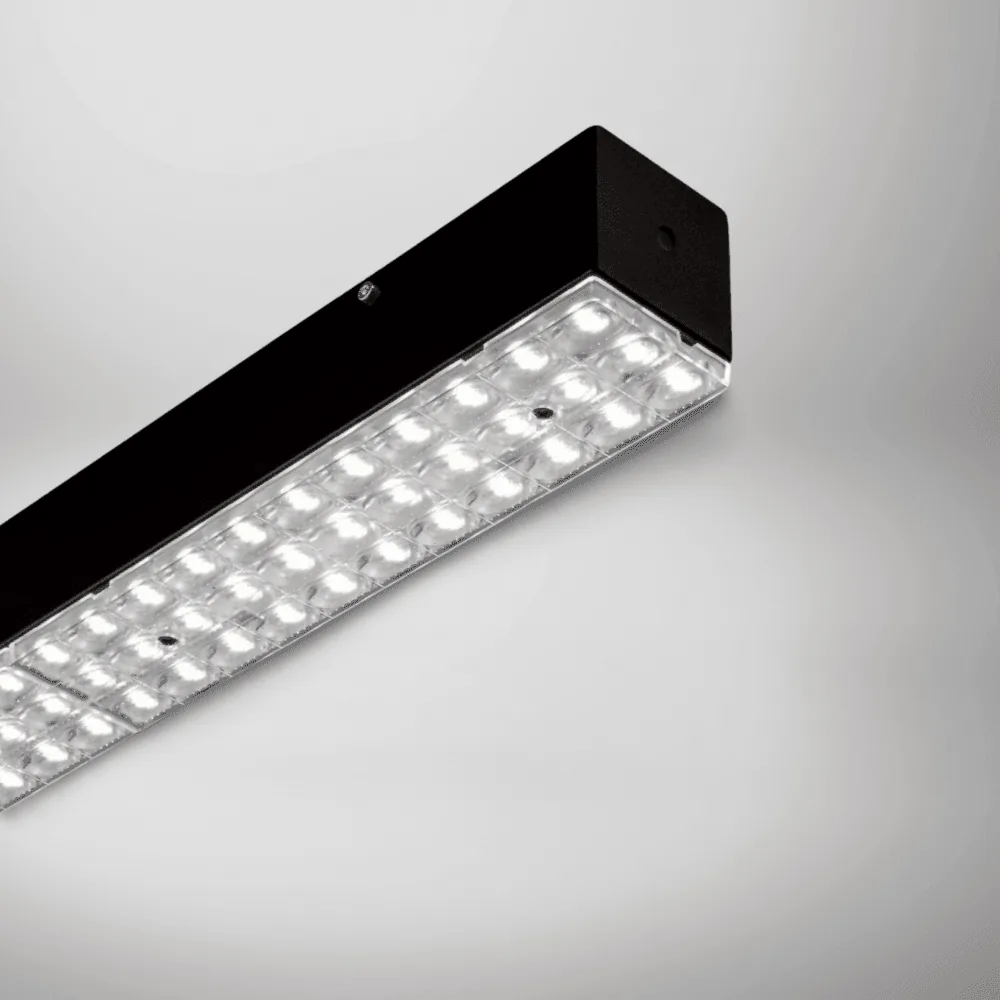
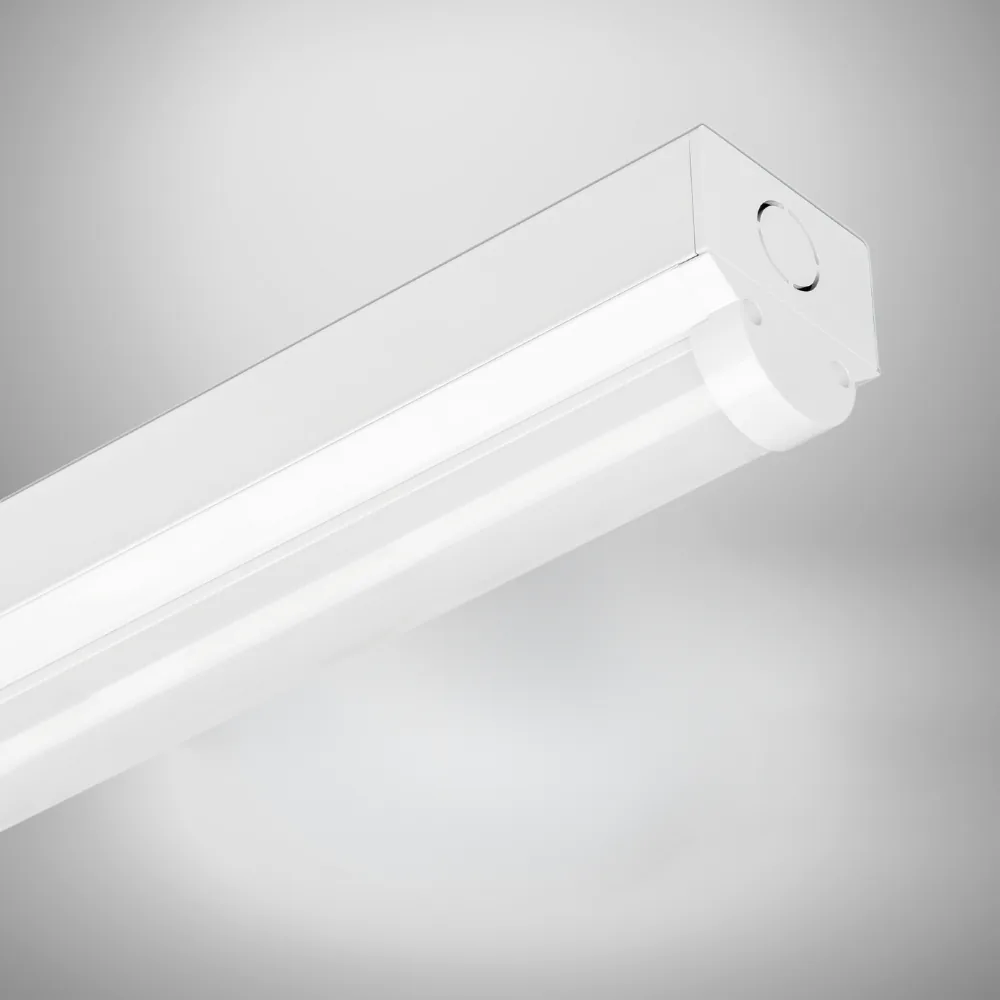
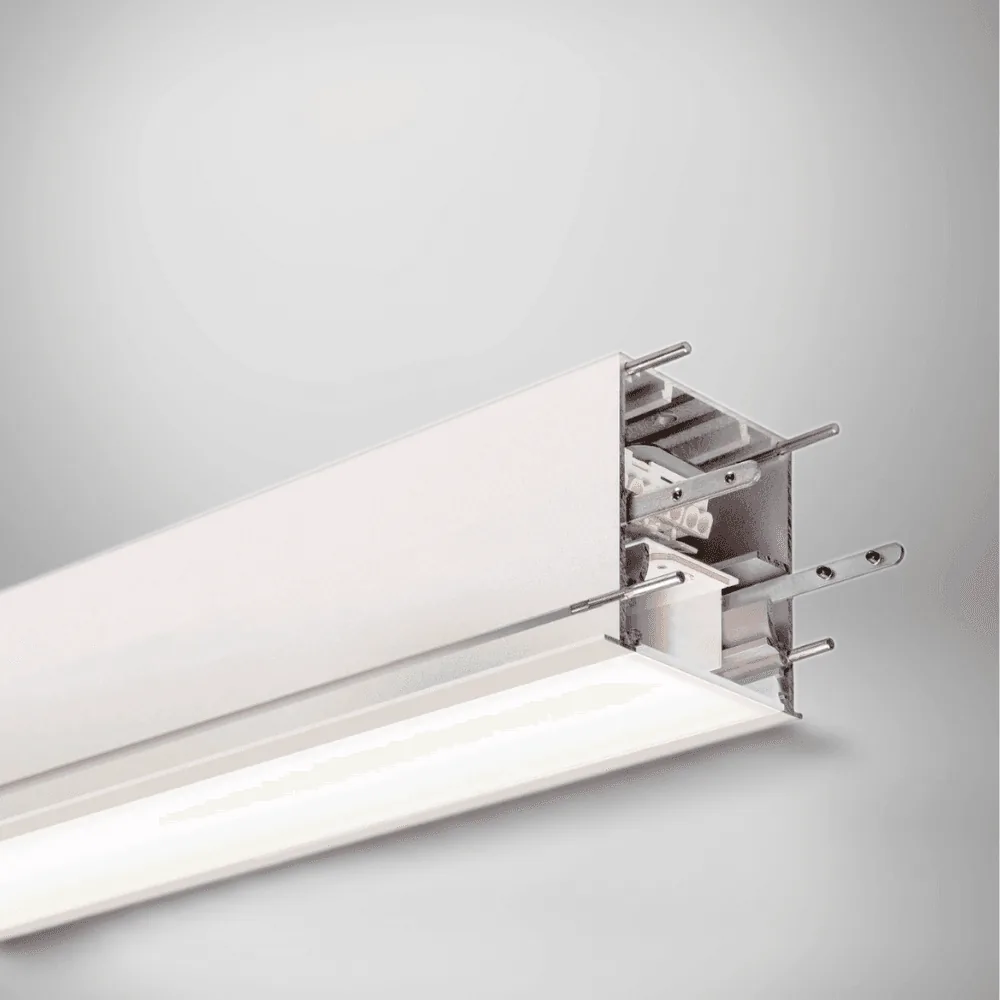
Choose from the mounting height, aisle geometry, task and required light distribution. A high-bay optic and output must suit the space below; battens can suit lower mounting positions, support areas or linear arrangements. Use the selected product's photometry to check spacing and uniformity. Wattage or a room-area estimate alone cannot establish the layout.
What information is needed for a warehouse lighting quotation?
Include mounting heights, aisle and open-area dimensions, racking, operating hours, existing fittings, approximate quantities, controls and emergency requirements.
When should a high-bay luminaire be used instead of an LED batten?
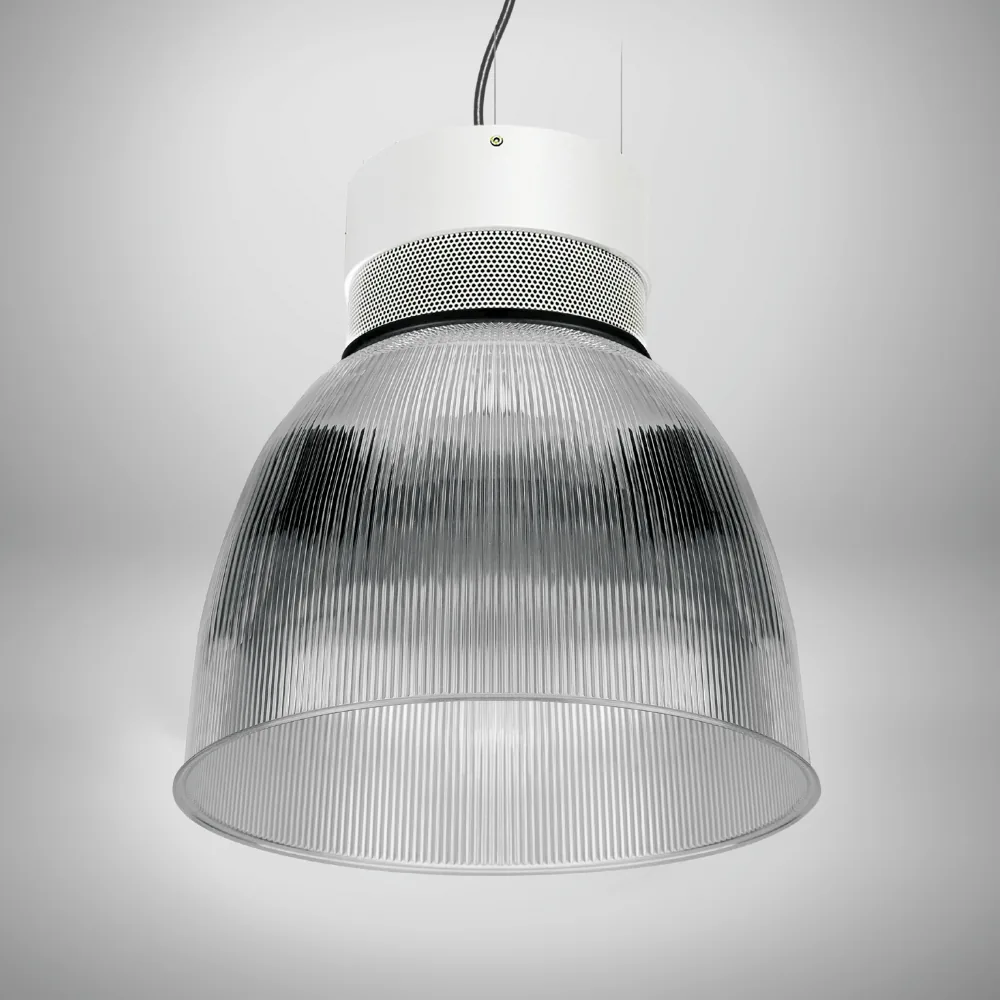
High-bay luminaires suit higher mounting positions and larger industrial volumes, while battens can suit lower mounting heights, circulation and service areas. Photometric checks remain necessary for the actual layout.
Can warehouse lighting include occupancy or daylight controls?
Selected industrial luminaires can use sensors or control-ready drivers. Detection zones, operating profile, mounting height and any daylight contribution should be defined for the control arrangement.
How is emergency lighting coordinated in warehouses?
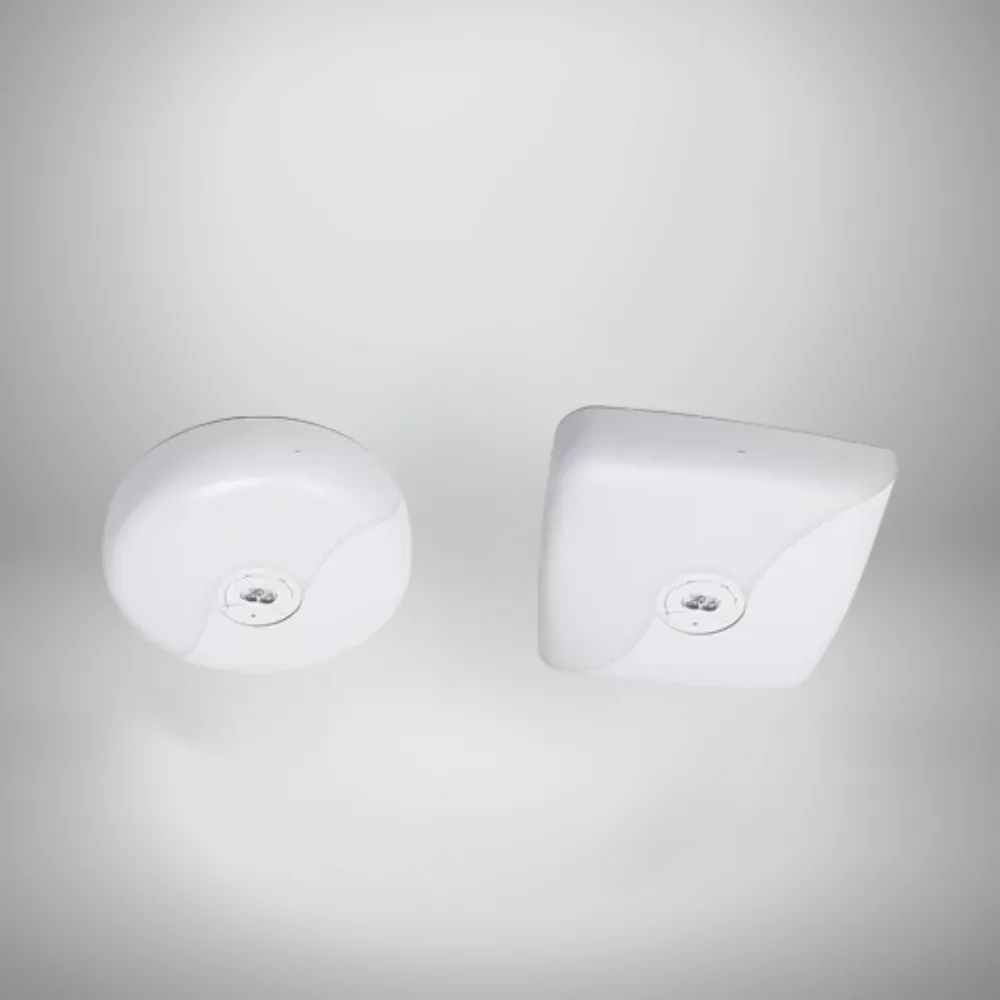
Emergency coverage should account for escape routes, exits, open areas, changes of level and relevant equipment positions. Product selection and final spacing still depend on the building layout and photometric design.
How do high bay and low bay lighting choices differ?
The mounting height and required distribution determine the fitting. LED high bay lights can deliver light from higher ceilings, while low bay positions need output and optics suitable for the shorter distance. For a factory or general warehouse, check machinery, rack faces and working areas using the selected photometry. The brightest fitting is not automatically the best choice if it creates glare or uneven illumination.
What should I check when replacing metal halide or fluorescent lighting?
Record the existing lamp, fitting wattage, mounting height and operating hours. Compare LED warehouse lighting by delivered light and uniformity, alongside electricity use, maintenance and access costs. Metal halide high bays and traditional fluorescent battens can need different replacement layouts. Use the energy savings calculator for initial cost comparisons, then confirm the proposed installation and control arrangement.
How are industrial fitting protection, colour and warranty specified?
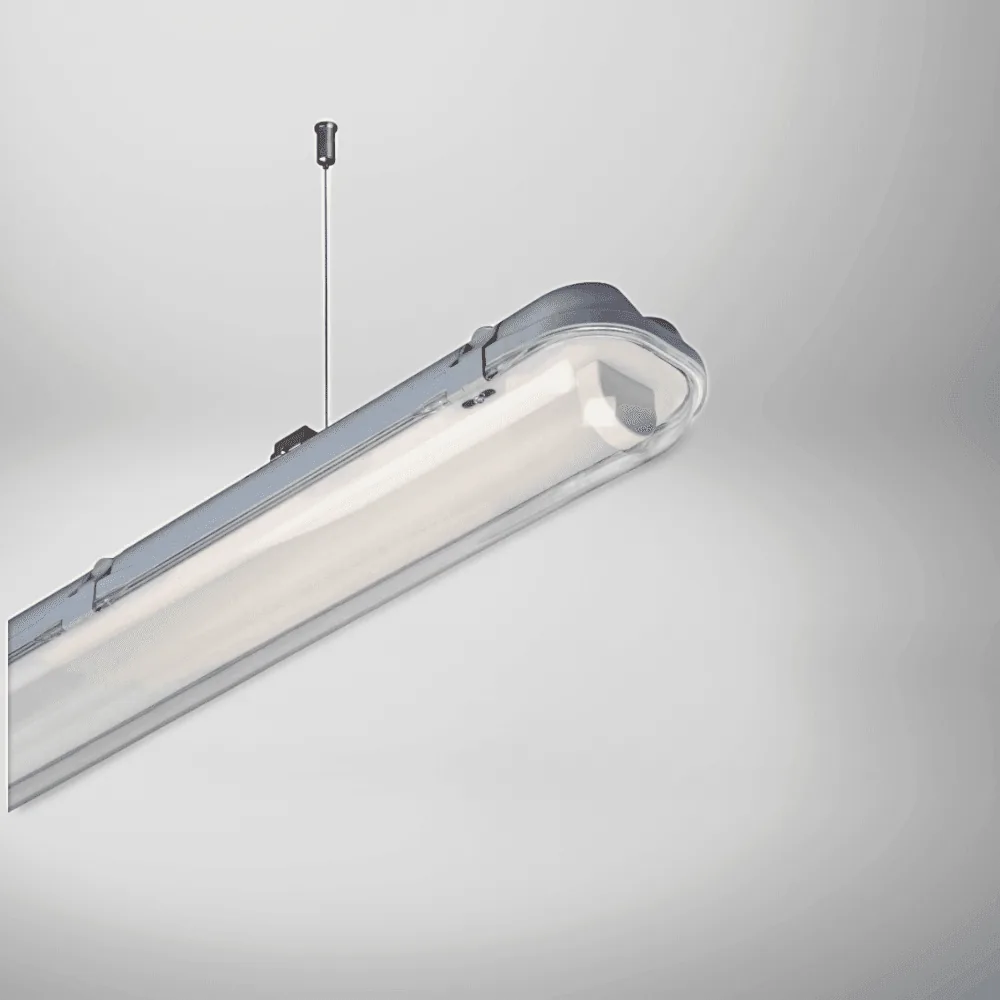
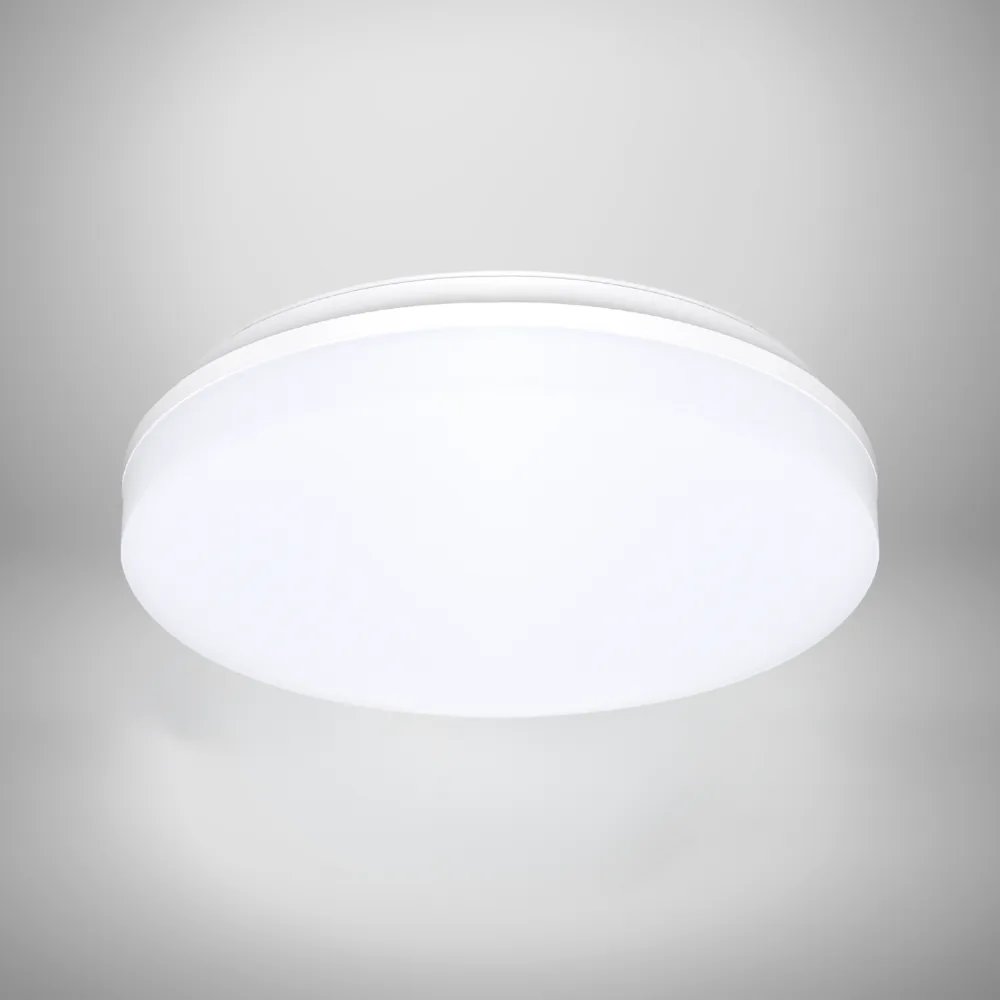
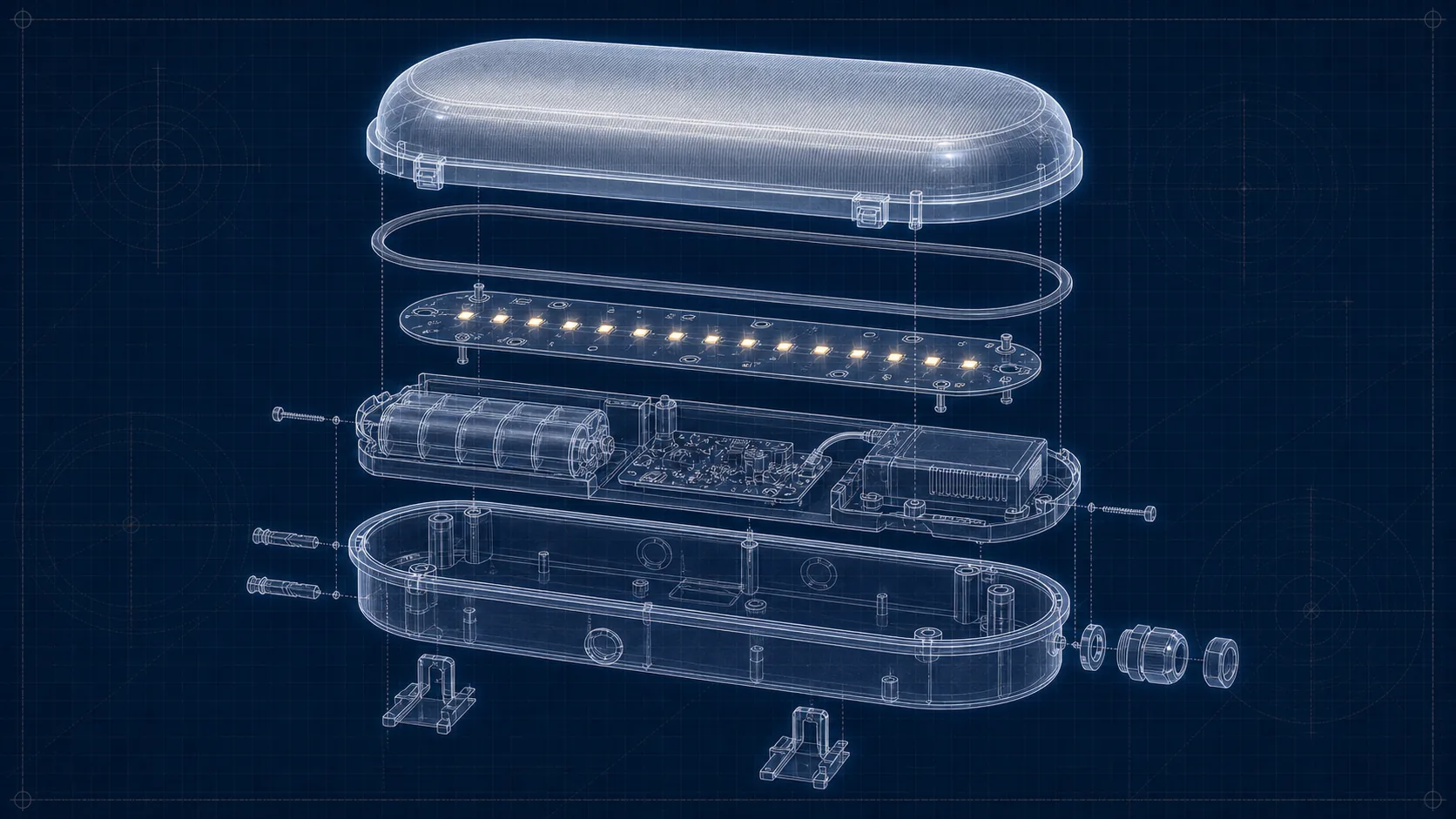
Choose the required IP and IK ratings for the actual dust, moisture and impact exposure. For outdoor loading areas or washdown zones, check the product's declared suitability rather than assuming an interior IP65 fitting covers every condition. Confirm available colour temperature, material and finish, driver, warranty terms and emergency variant against the exact model before ordering.
What should a warehouse lighting design brief contain?
Include the floor plan, racking heights, aisle widths, mounting positions and the activities in each area. A lighting design calculation should check vertical and horizontal illumination, glare and uniformity. Identify dimmable LED fittings, sensors and emergency requirements in the same brief. Review the actual optic and mounting height; generic wattage recommendations cannot confirm the performance of a warehouse lighting installation.
How should factory and warehouse colour temperature be selected?
Start with the task, daylight and colour-recognition requirements. Aegis LED battens have published 4000K models, while available CCT options vary by range. Keep adjoining workplace areas consistent where appropriate, and check colour rendering for inspection or production tasks. Specify the exact light output and colour option alongside controls, rather than treating every industrial luminaire as interchangeable.

 IP / IK protection
  Controls and sensors
  UK-made supply
  Product selection