
Overall score
Excellent circularity
Review assessed Lumenloop ranges, CEAM circularity scores and TM65 material breakdowns before selecting the product range for a commercial lighting project. Use it with commercial product ranges and specification support when circularity evidence needs to sit alongside the rest of the brief.
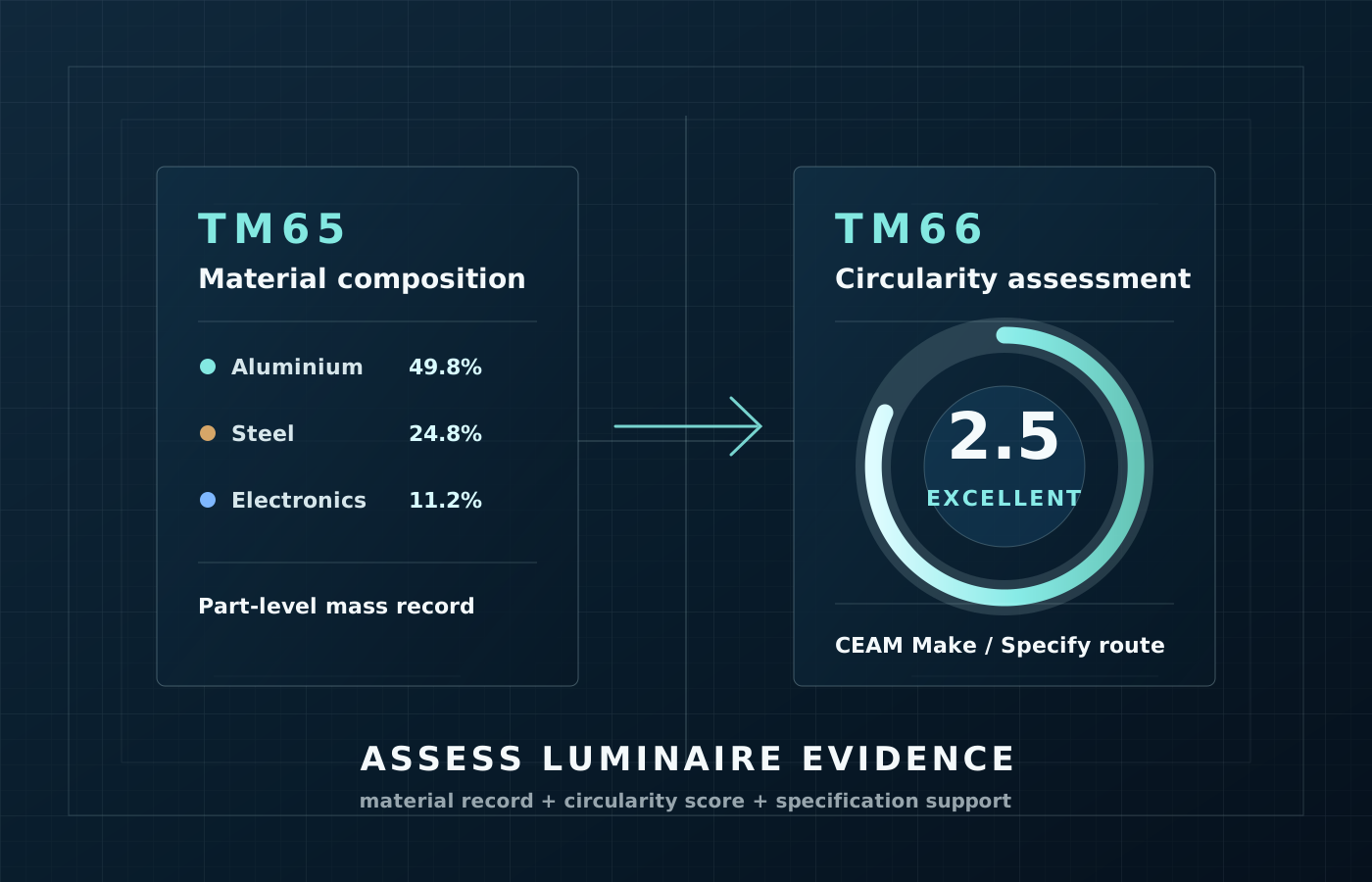
Excellent circularity
Out of 247.5 available CEAM points.
Material breakdown available.
CEAM-Make converts the assessment into a 0.0 to 4.0 circularity score.
TM66 helps project teams judge whether a luminaire has been designed with circularity in mind, not only whether it performs optically. It is most useful when the selected range is already close and the next decision is between a few viable product families.
Reviews construction, material choices, disassembly and manufacturer circularity actions.
Gives architects and consultants a clearer basis for comparing circular lighting options.
Score, product performance, maintenance plan and final project requirements should be read together.
Pillar meters show the relative circularity profile: disassembly, material use, manufacturing and end-of-life planning.
Material percentages are summarised from the assessed model record.
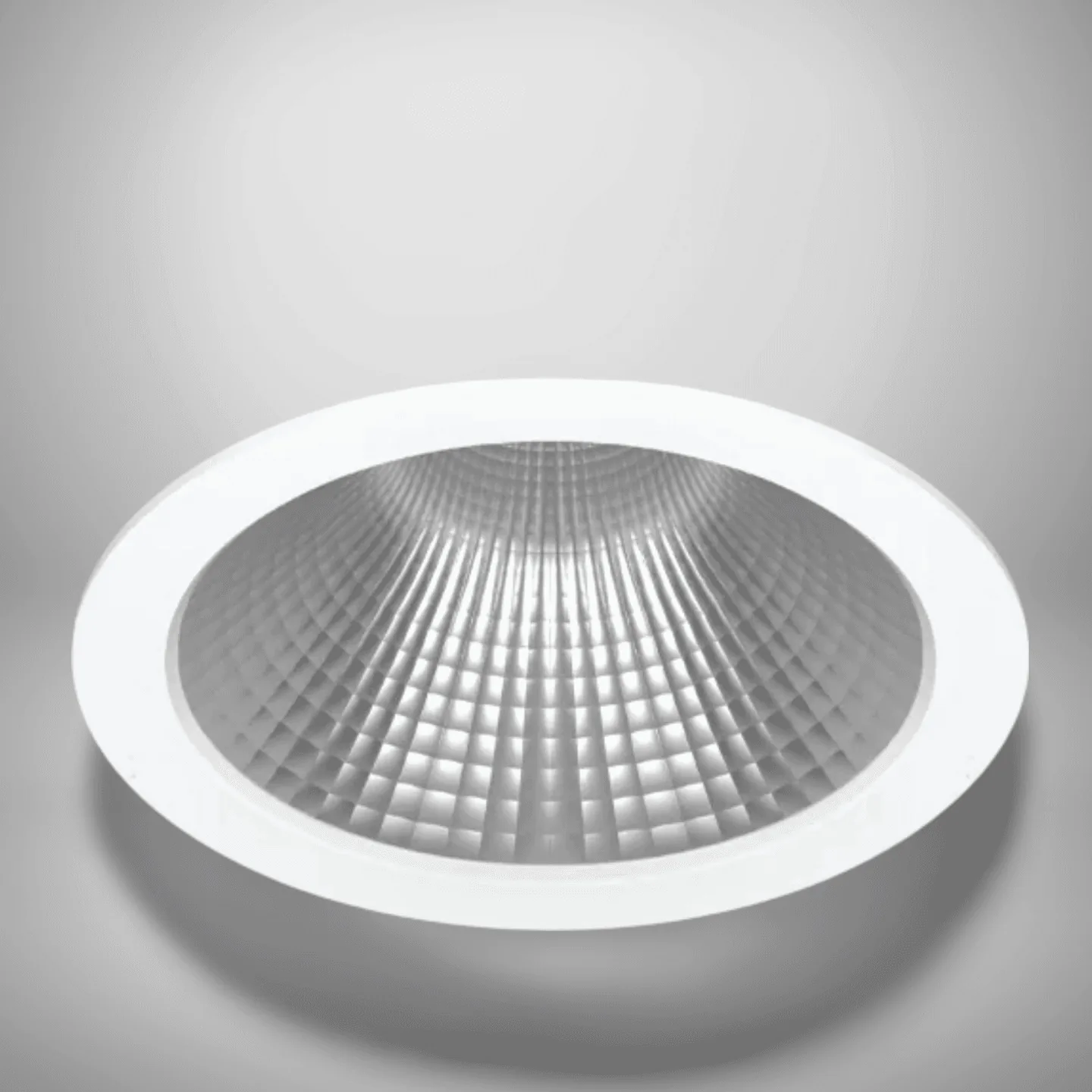
Quick selection view before the full scorecard or product page.
| Range | Score | Band |
|---|
Assessment summaries are provided for early product reference. Full circularity evidence can be requested from the Lumenloop specification team where project records require it.
TM66 provides a structured way to review how a luminaire supports circular-economy principles. The headline score is useful for comparison, but project teams should also examine the evidence behind it: product construction, replaceable components, maintenance access, upgrade potential, material information and end-of-life routes.
Use the calculator as an evidence-led product filter, then request the current assessment record for the exact model or family being specified. A range-level summary should not be assumed to cover every configuration automatically.
Check that assessments refer to comparable product types and current versions. A circularity score does not replace photometric, electrical, emergency, control or environmental requirements, so those remain part of the technical selection.
Repairability and upgradeability depend on practical details such as accessible drivers, replaceable light engines, standard fixings, available spares and documented disassembly. The supporting evidence helps explain where a score is strong or constrained.
State the required TM66 information in the luminaire schedule and keep the assessment with the project record. Confirm any take-back, refurbishment, warranty or spare-part commitment with the supplier rather than inferring it from the score alone.