




Did you know that over 60% of workplace fires in the UK result in fatalities due to insufficient emergency lighting? This alarming statistic underlines the imperative need to grasp and adhere to emergency lighting regulations within the United Kingdom. This exhaustive guide will cover the legal mandates, compliance benchmarks, and critical safety protocols surrounding emergency lighting systems.
The BS 5266-1 code of practice forms the underlying rules of emergency lighting regulations in the UK, establishing a detailed framework for the installation, testing, and upkeep of these indispensable safety measures.
This guide extends beyond the regulatory framework, delving into the fundamental requisites for emergency lighting. These include the strategic placement of fixtures, illumination level standards, and the identification of critical areas necessitating coverage.
By comprehending these practical aspects, you can craft and deploy an emergency lighting system that embodies the pinnacle of safety standards. Such a system will ensure adequate visibility during emergencies.
Understanding BS 5266-1: The Code of Practice
At the core of BS 5266-1 are precise location mandates for emergency lights. These stipulations guarantee that all escape pathways and critical zones within a structure are suitably illuminated during a power outage.
The code further elucidates the minimum luminance levels and duration necessitated for various types of establishments.
UK Emergency Lighting Standards
| Regulation | Year/Version | Scope | Key Requirements | Application Areas |
|---|---|---|---|---|
| BS 5266-1 | 2016 | Code of practice for emergency lighting systems | Provides comprehensive guidelines on design, installation, minimum duration, response times, illuminance ratios, maintenance, and testing requirements | Commercial premises, workplaces, public buildings, and communal areas in multiple-occupancy buildings |
| BS EN 1838 | 2013 | Lighting applications – Emergency lighting | Specifies escape and standby lighting requirements; defines minimum illuminance levels (1 lux for escape routes, 0.5 lux for open areas); sets uniformity ratio of 40:1 maximum to minimum | All business premises requiring emergency lighting |
| BS EN 60598-2-22 | Current | Safety requirements for luminaires used in emergency lighting | Defines requirements for emergency luminaires; ensures appropriate construction and performance of emergency lighting equipment | All emergency lighting installations |
| Regulatory Reform (Fire Safety) Order | 2005 | Legal framework for fire safety | Mandates installation of emergency lighting; identifies the “responsible person” (employer, building owner or occupier) for compliance | Offices, shops, care premises, community halls, pubs, clubs, restaurants, schools, tents, hotels, factories, warehouses, and houses with multiple occupants |
| Building Regulations 2000 | 2000 | Building safety regulations | Defines the size of rooms that must have emergency lighting | All new buildings and significant alterations to existing buildings |
| The Construction Products Directive | Current | Implementation of building safety standards | Implemented by building control officers; requirements detailed in Approved Document B Fire Safety | Construction of new buildings and alterations |
| The Signs Directive (90/664) | 1990 | Safety signage requirements | Implemented in UK by Statutory Instrument 341; regulates emergency exit signage | All premises requiring emergency exit signs |
| The Management of Health and Safety at Work Regulations | 1999 | Workplace safety framework | Includes provisions relevant to emergency lighting as part of workplace safety | All workplaces |
| The Fire (Scotland) Act | 2006 | Fire safety in Scotland | Scotland-specific fire safety regulations including emergency lighting requirements | All applicable premises in Scotland |
| Fire & Rescue Services (Northern Ireland) Order | 2006 | Fire safety in Northern Ireland | Northern Ireland-specific fire safety regulations including emergency lighting | All applicable premises in Northern Ireland |
Legal Requirements and Compliance
Adherence to the emergency lighting compliance UK standards stipulated by BS 5266-1 is a statutory duty for proprietors and facilities managers.
This entails routine testing, encompassing monthly inspections and an annual three-hour duration test to affirm the system’s operability. Thorough documentation of all testing and upkeep endeavours is imperative for auditing purposes.
Documentation and Certification
| Requirement | Description |
|---|---|
| Installation Certificate | Verifies the emergency lighting system was installed in accordance with BS 5266-1. |
| Maintenance Logbook | Chronicles all testing and servicing activities, including any malfunctions or corrective measures. |
| Annual Inspection | Guarantees the system adheres to the most current regulatory stipulations. |
Preserving robust documentation and certifications is critical for proprietors to demonstrate their dedication to safety and adhere to the emergency lighting requirements UK.
Essential Requirements for Emergency Lighting Regulations UK
In the UK, businesses are mandated to comply with stringent emergency lighting regulations to safeguard their premises and occupants.
These directives, encapsulated within the Fire Safety Order and Building Regulations, mandate the deployment of a dependable illumination system. This system must activate automatically in the event of power failures or emergencies.
At the centre of these regulations is the imperative for a meticulous fire risk assessment. This evaluation is instrumental in identifying hazards and determining the requisite emergency lighting solutions.
Typically, automatic, non-maintained lights are employed. These lights are designed to activate instantaneously upon detection of a power outage, ensuring adequate illumination along all escape routes.
- Emergency lighting must be installed wherever directions change, beside exits, near changes in floor level, and continuously to the final exit door.
- Illumination levels must be sufficient to allow safe passage for occupants, typically a minimum of 1 lux on the floor along the centre line of the escape route.
- Emergency lighting systems must be tested and maintained regularly to ensure they function properly during an emergency.
Installation Guidelines and Placement Requirements
Installation and placement play a critical role in achieving the right light levels, uniformity, and overall performance in your space.
Getting the positioning right ensures efficient coverage, minimises shadows, and supports both safety and productivity.
Strategic Positioning of Emergency Lights
Escape routes necessitate illumination that is evident from all vantage points within the edifice. Open spaces demand a minimum of 0.5 lux to facilitate anti-panic lighting, guiding individuals to safety. High-risk task zones, such as industrial workstations, require meticulous attention to ensure the safe cessation of processes and evacuation.
- Fire-fighting apparatus and call points must be illuminated with clarity.
- In hotels or residential establishments, supplementary lighting in chambers and corridors is imperative to guide unfamiliar patrons.
Illumination Level Standards
The stipulated illumination standards for emergency lighting are delineated within the pertinent emergency lighting norms UK and emergency lighting codes UK.
Emergency exit signs must meet specific visibility and illumination standards:
| Sign Type | Maximum Viewing Distance | Minimum Luminance | Color Requirements | Additional Notes |
|---|---|---|---|---|
| Internally Illuminated Signs | 200 × panel height | >2cd/m² (minimum for any 10mm patch) | White on green background; luminance ratio between white and green must be 5:1 to 15:1 | Ratio of maximum to minimum luminance shall be less than 10:1 for either color4 |
| Externally Illuminated Signs | 100 × panel height | >2cd/m² (minimum for any 10mm patch) | White on green background; luminance ratio between white and green must be 5:1 to 15:1 | Must have external light illuminating them to 100 lux in normal condition and 5 lux under mains failure |
Specific Illuminance Requirements by Area Type
Emergency lighting standards specify different minimum illuminance levels based on the area type and associated risk levels:
| Area Type | Minimum Illuminance (lux) | Response Time (seconds) | Reference Plane | Additional Requirements |
|---|---|---|---|---|
| Escape Routes | 1.0 | 5 (for 50% illuminance), 60 (for full illuminance) | Center line of escape route | At least 2 luminaires per compartment24 |
| Open Core Areas (>60m²) | 0.5 | Not specified | Empty core area (excluding 0.5m border) | Required for areas larger than 60m² |
| High-Risk Task Areas | 10% of normal task lighting (minimum 15) | Not specified | Task-specific plane | Case-by-case basis as part of site risk assessment |
| Kitchens | 15 | 0.5 | Horizontal on working plane | Switches and cut-outs must be readily visible |
| First Aid Rooms | 15 | 5 | Horizontal on working plane | Mandatory location for emergency lighting |
| Treatment Rooms | 50 | 0.5 | Horizontal on working plane | Higher illuminance due to critical nature of activities |
| Refuge Areas | 5 | 5 | Horizontal on floor; vertical at communication devices | Required for accessibility compliance |
| Plant Rooms/Switch Rooms | 15 | 5 | In plane of visual task | Critical infrastructure requires higher illuminance |
| Fire Alarm Control Equipment | 15 | 5 | In plane of visual task | Critical safety equipment must remain visible |
| Reception Areas | 15 | 5 | In plane of visual task | Key navigation point during emergencies |
| Panic Bars/Security Devices | 5 | 5 | Horizontal on plane of panic bar; vertical for wall-mounted devices | Essential for emergency exit operation |
| Swimming Pool Surrounds | 5 | 0.5 | Horizontal on floor and treads | Special hazard due to water presence |
| Emergency Exit Push Bars | 5 | Not specified | At the device | Must be clearly visible during evacuation |
| Fire Call Points | 15 | Not specified | At the device | Must be clearly visible during emergency |
| Fire Equipment | 15 | Not specified | At the equipment | Must be clearly visible and accessible |
Critical Areas for Coverage
Emergency lights must be positioned to optimise coverage in the following critical zones:
- Escape routes and exit signage
- Fire-fighting equipment and call points
- High-risk task areas
- Open spaces and corridors
- Rooms and communal areas in residential or hotel establishments
By adhering to these installation directives and placement stipulations, entities can guarantee that their emergency lighting systems conform to the requisite emergency lighting norms UK and emergency lighting codes UK. This ensures a secure environment for occupants in the event of an emergency.
Types of Emergency Lighting Systems
With the advent of LED technology, emergency lighting has progressed.
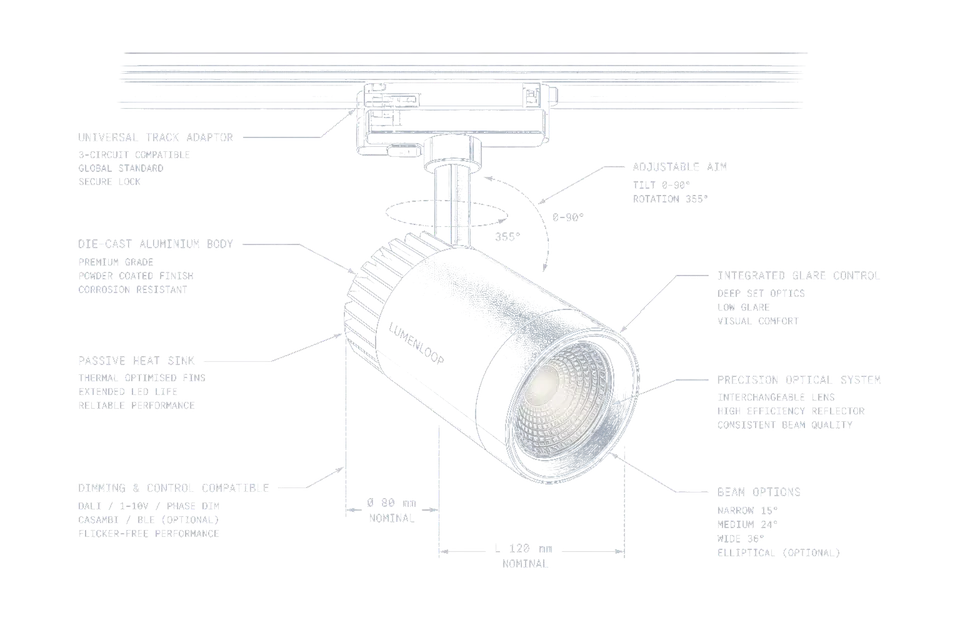
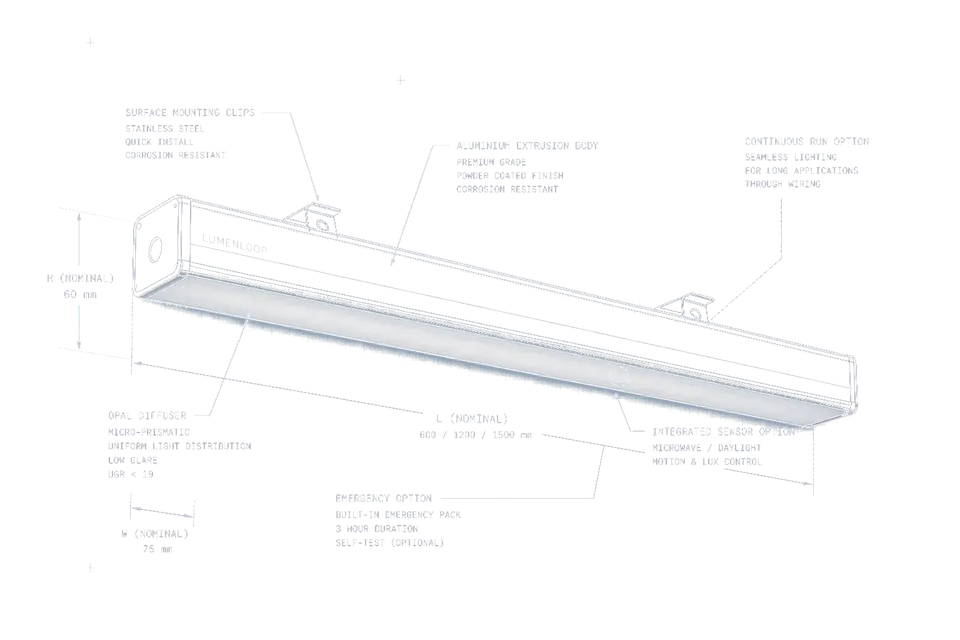
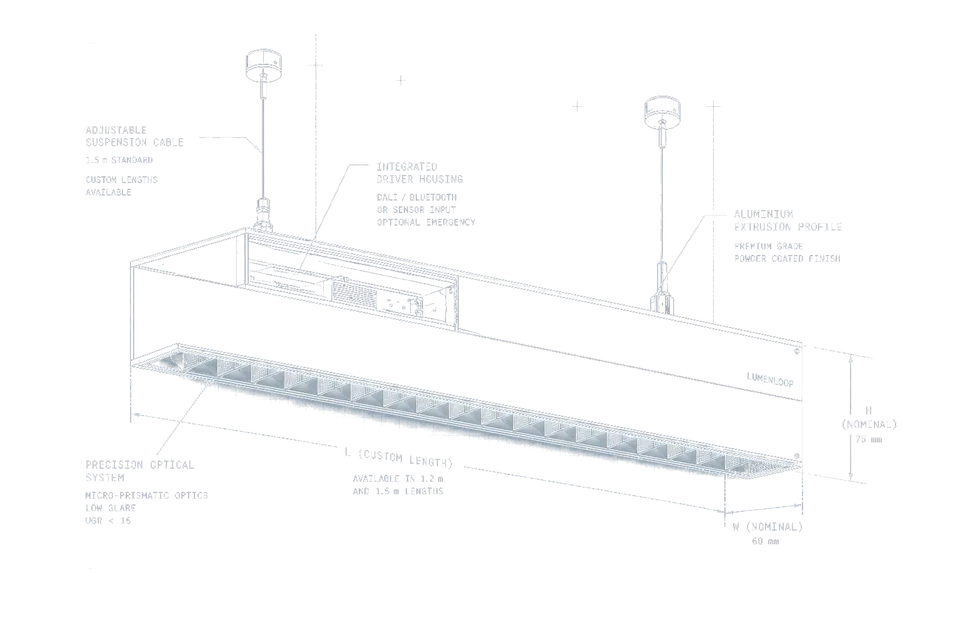
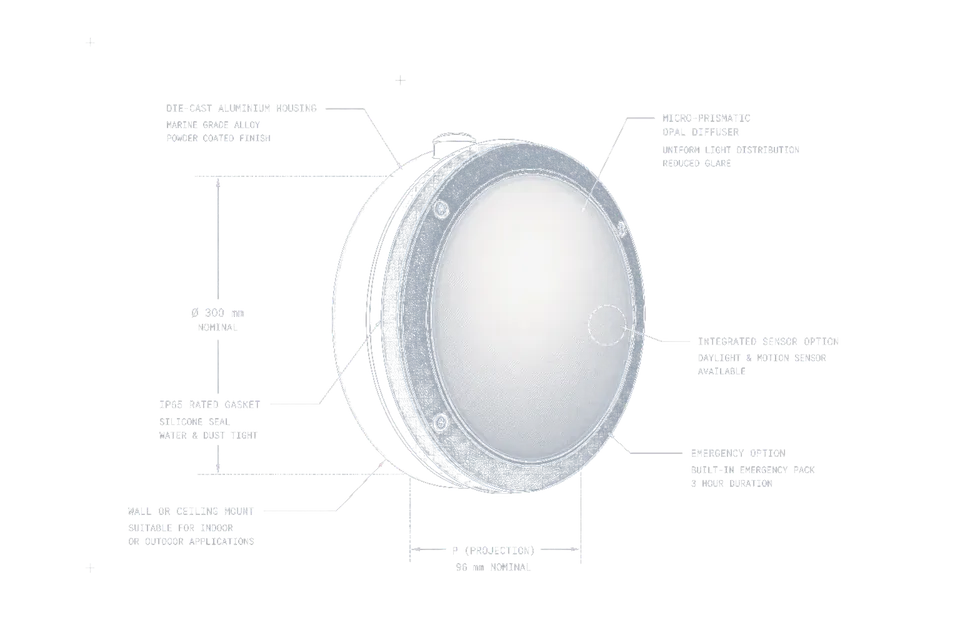
This advancement encompasses a spectrum of solutions, from LED Bulkhead Lights, which are equipped with 3-hour emergency batteries, to dedicated Emergency Exit Lights and specialised LED spotlights. The array of emergency lighting systems caters to the diverse requirements of various building environments, ensuring adaptability and efficacy.
Maintained emergency lighting systems persistently illuminate, guaranteeing uninterrupted visibility during regular operations.
In contrast, non-maintained systems only activate upon a power failure, conserving energy and resources during periods of normal operation.
Irrespective of the system’s configuration, all emergency lighting installations must conform to rigorous regulations.
These regulations are designed to provide safe and reliable illumination across all escape routes, ensuring occupant safety.
| Emergency Lighting System | Key Features | Compliance Considerations |
|---|---|---|
| LED Bulkhead Lights |
|
|
| Emergency Exit Lights |
|
|
| LED Emergency Spotlights |
|
|
Irrespective of the emergency lighting system selected, adherence to the emergency lighting wiring diagram requirements and consistent maintenance are imperative. These measures are critical to safeguard the safety and well-being of building occupants during power outages or other emergencies.
Testing and Maintenance Protocols
In the UK, emergency lighting systems adhere to stringent testing and maintenance protocols as stipulated in BS 5266-1, the Code of Practice for the emergency lighting of premises.
These standards guarantee that emergency lighting functions impeccably, ready to illuminate in the event of a power failure or other emergency.
Monthly Testing Requirements
Regulations mandate that emergency lighting systems undergo monthly testing.
This entails simulating a mains power failure by switching off the power at the circuit breaker and verifying that all emergency lights are illuminated correctly.
The test duration, typically 30 seconds to 1 minute, is sufficient to confirm the system’s immediate readiness.
Annual Duration Testing
Emergency lighting systems must also undergo an annual duration test, in addition to monthly checks.
During this test, the power is cut, and the emergency lights are required to remain illuminated for the full 3-hour duration specified in the regulations. This thorough test ensures that battery-powered emergency lighting can provide adequate illumination in the event of a prolonged power outage.
Record Keeping and Documentation
- All emergency lighting tests, both monthly and annual, must be thoroughly documented and logged for auditing purposes.
- Detailed records of maintenance activities, repair work, and system modifications must also be maintained.
- This documentation demonstrates compliance with the emergency lighting requirements uk and serves as evidence during inspections by authorities.
To simplify the testing process, many building owners and facilities managers opt for self-testing emergency lighting systems (often referred to as ‘self test’).
These advanced solutions automatically perform the required tests and generate detailed reports, ensuring thorough compliance with the regulations.
LED Emergency Lighting Solutions
For emergency lighting standards in the UK, LED technology is already the norm. However, you’d be suprised how common non-compliance is across various industries and practically all types of commercial buildings throughout the UK.
The efficiency and dependability of LED technology are primary drivers behind its increasing adoption. LEDs exhibit a significant reduction in power consumption compared to conventional lighting options, facilitating the development of more compact and economical battery backup systems.
Their smaller for factor also enables seamless integration into various environments without compromising either functionality or aesthetics.
The inherent resilience of LED technology further solidifies its suitability for emergency lighting applications.
LEDs exhibit remarkable resistance to physical damage and environmental stressors, ensuring uninterrupted functionality even in the most adverse conditions. This durability contributes to a reduction in maintenance requirements and enhances overall reliability, two indispensable attributes for emergency lighting systems.
Several LED emergency lighting solutions have garnered popularity:
- LED Bulkhead Lights with 3-hour emergency backup batteries
- Emergency Exit Lights featuring LED illumination
- Compact LED spotlights designed for emergency lighting purposes
As the emergency lighting standards in the UK continue to evolve, LED-based solutions are set to play a critical role in ensuring the safety and well-being of building occupants.
Their unmatched efficiency, reliability, and performance underscore their superiority as the preferred option for contemporary emergency lighting systems.
| Feature | Benefit |
|---|---|
| Energy Efficiency | Lower power consumption, smaller battery requirements |
| Compact Design | Discreet placement, less obtrusive in the environment |
| Bright Illumination | Improved visibility and guidance during emergencies |
| Durability | Resistance to physical damage and environmental factors |
Risk Assessment and Safety Considerations
The imperative of safeguarding occupants is at the forefront of emergency lighting regulations within the UK.
Risk assessments are indispensable in delineating the requisite emergency lighting standards for a structure. These evaluations scrutinise diverse elements, encompassing the edifice’s specific exigencies, occupancy levels, and hypothetical emergency scenarios.
Building-Specific Requirements
Emergency lighting requirements depend heavily on the size, layout, and use of a building.
Larger spaces typically need more comprehensive coverage to support safe evacuation, while smaller buildings tend to have simpler needs—though factors like ceiling height, access routes, and higher-risk areas still need careful consideration.
Occupancy Factors
- The populace anticipated within the edifice at any juncture is a critical determinant for emergency lighting.
- The acclimatisation of occupants with the edifice’s layout also influences the requisite lighting intensities, with unfamiliar visitors necessitating enhanced guidance.
- Specialised edifices, such as healthcare facilities or educational institutions, may harbour unique occupancy factors necessitating customised emergency lighting solutions.
Emergency Route Planning
Optimal emergency route planning is vital for the safety of building inhabitants.
This entails the identification of the most efficacious escape pathways, ensuring their illumination, and consideration of obstacles or hazards that could impede evacuation.
The adoption of Adaptive Emergency Escape Lighting Systems (AEELS) has become obligatory, leveraging sensors and intelligent technology to dynamically adjust escape routes and visibility in response to evolving emergency conditions.
Updates to British Standards and Regulations
Emergency lighting standards in the UK have continued to evolve, reflecting a strong focus on safety and reliable performance. Recent updates to British Standards introduce important changes that facility managers, lighting consultants, and electrical engineers need to understand and apply in practice.
The revised BS EN 1838:2013 mandates illumination thresholds of 1 Lux for escape routes spanning up to 2 metres in width and 0.5 Lux for expansive open areas exceeding 60 metres. This stipulation ensures that, in the event of a power failure, individuals can navigate to emergency exits with safety.
Further, the duration requirements for emergency lighting have been recalibrated.
Local area safety lighting must now endure for at least one hour, regardless of whether the system is permanent or temporary. This enhancement fortifies the protection of individuals during prolonged power outages.
- Minimum illumination levels updated:
- 1 Lux for escape routes up to 2 metres wide
- 0.5 Lux for open areas over 60 metres
- Emergency lighting duration requirements increased:
- Local area safety lighting must last at least one hour
- Applies to both permanent and temporary systems
Emergency Exit Signs and Running Man Symbols
Emergency exit signs and running man symbols are indispensable within the UK’s emergency lighting regulations. These visual indicators are critical in guiding individuals to safety during emergencies, facilitating swift and efficient evacuation. Their role is to ensure occupants can navigate to safety with ease, even in low-light conditions.
Placement Guidelines
The strategic positioning of emergency exit signs and running man symbols is of utmost importance. These signs must be situated along escape routes, at exit points, and in areas where they are readily visible to occupants. This strategic placement guarantees that all individuals within the building can identify the nearest emergency exit, regardless of the ambient light levels.
Options such as hanging emergency exit lights, bulkhead lights, and wall-mountable signs are frequently employed to meet these placement criteria.
International Standards Compliance
Adherence to international standards for emergency exit signs and running man symbols is imperative, given the global nature of many buildings.
Compliance ensures that these safety symbols are universally recognised, facilitating rapid comprehension of emergency evacuation procedures by individuals from various backgrounds.
By aligning with global standards, building proprietors and managers can significantly enhance the efficacy of their emergency lighting systems. This results in a more seamless and effective evacuation process for all occupants, regardless of their origin.
If you have any specific questions about emergency lighting compliance, our very own AI Lighting Assistant can help provide you with useful and actionable insights.
FAQ
What are the key components of the BS 5266-1 code of practice for emergency lighting in the UK?
BS 5266-1, the primary standard for emergency lighting in the UK, encompasses installation, testing, and maintenance stipulations. It mandates specific location requirements for lights to guarantee illumination of all escape routes.
What are the legal requirements and compliance factors for emergency lighting in the UK?
Compliance necessitates regular testing, including monthly inspections and an annual three-hour duration test. Documentation is imperative, with all tests necessitating logging for auditing purposes. Building proprietors are accountable for ensuring these systems are maintained and tested to avert legal repercussions.
What are the essential requirements for emergency lighting in the UK?
Adherence to the Fire Safety Order and Building Regulations is fundamental. A thorough fire risk assessment is obligatory to safeguard occupants during emergencies. Automatic, non-maintained lights, which activate during power outages, are commonly employed and must ensure safe illumination levels for all escape routes.
What are the guidelines for the strategic positioning of emergency lights?
Escape routes must be illuminated and visible from all areas within the building. Open area lighting (anti-panic lighting) necessitates a minimum of 0.5 lux. High-risk task areas require special attention to ensure safe process shutdown and evacuation. Fire-fighting equipment and call points must be clearly illuminated.
What are the different types of emergency lighting systems in the UK?
Maintained systems remain lit continuously, whereas non-maintained lights activate during power outages. Both types must comply with regulations by providing adequate illumination for all escape routes.
What are the testing and maintenance protocols for emergency lighting in the UK?
BS 5266-1 mandates quarterly testing (every 3 months) and an annual extensive test. Quarterly tests involve shutting off power at the circuit breaker and verifying all emergency lighting. The annual test ensures lighting sustains for the full 3 hours. All tests must be documented for auditing purposes.
Why are LED lights preferred for emergency lighting in the UK?
LED lights are preferred for emergency lighting due to their efficiency and reliability. They offer low power consumption, facilitating smaller, less expensive batteries. Their compact size allows for discreet placement without being obtrusive. LED lights provide intense illumination, essential in emergencies, and are remarkably durable.
What are the risk assessment and safety considerations for emergency lighting in the UK?
Building-specific requirements vary based on size, layout, and usage. Occupancy factors, such as the number of individuals and their familiarity with the building, influence lighting requirements. Emergency route planning must consider all possible scenarios and ensure clear, well-lit paths to safety.
What are the recent updates to British Standards for emergency lighting?
Recent updates include revisions to BS EN 1838:2013 and BS EN 50172:2004. BS EN 1838:2013 now specifies minimum illumination levels of 1 Lux for escape routes up to 2 meters wide and 0.5 Lux for open areas over 60 meters. Emergency lighting duration requirements have also been updated.
What are the requirements for emergency exit signs and running man symbols in the UK?
Emergency Exit Signs and Running Man symbols are legal requirements in the UK. They must be strategically placed to ensure visibility from all areas of the building. Placement guidelines ensure these signs are visible along escape routes and at exits. International standards compliance is critical to ensure universal recognition of emergency symbols.