
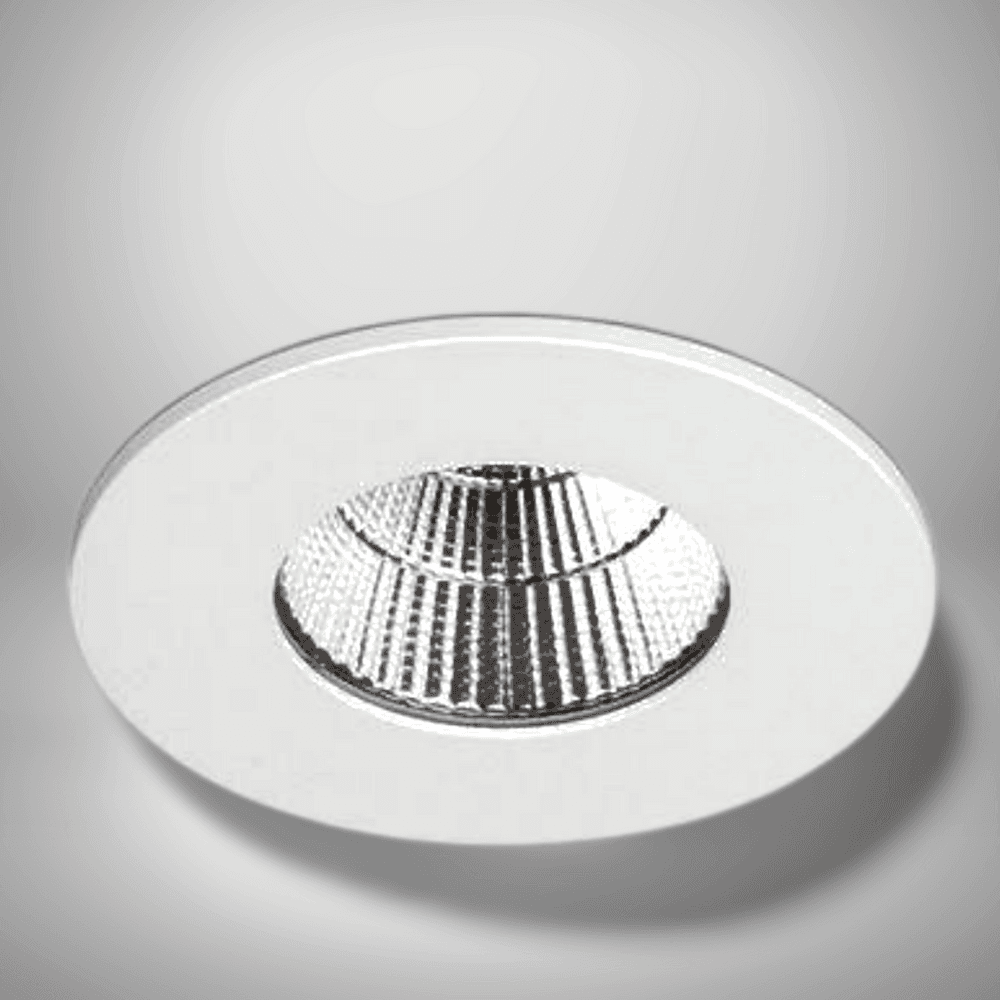
700–1000 lumen LED downlights for feature lighting, hospitality and layered commercial schemes
This output range is rarely about lighting an entire room on its own. It is about creating control, atmosphere and visual hierarchy. For restaurants, bars, hotel rooms, corridors, breakout areas and design-led commercial interiors, 700–1000 lumen downlights help shape a calmer scheme without the hard-edged brightness that comes from overspecifying output.
The right fitting still depends on beam angle, glare control, ceiling detail, spacing and controls. That is why lower-output downlights work best when they are chosen around the application, not just the lumen figure in isolation.
Why this lumen range matters
Used well, 750–1000 lumens creates focus without visual noise. It is ideal when the brief is about mood, layering and selective emphasis rather than broad, uniform brightness.
Why not every low-lumen fitting works
Lower lumen does not automatically mean better comfort. Optics, reflector design, diffuser performance and spacing still shape whether the result feels premium or patchy.
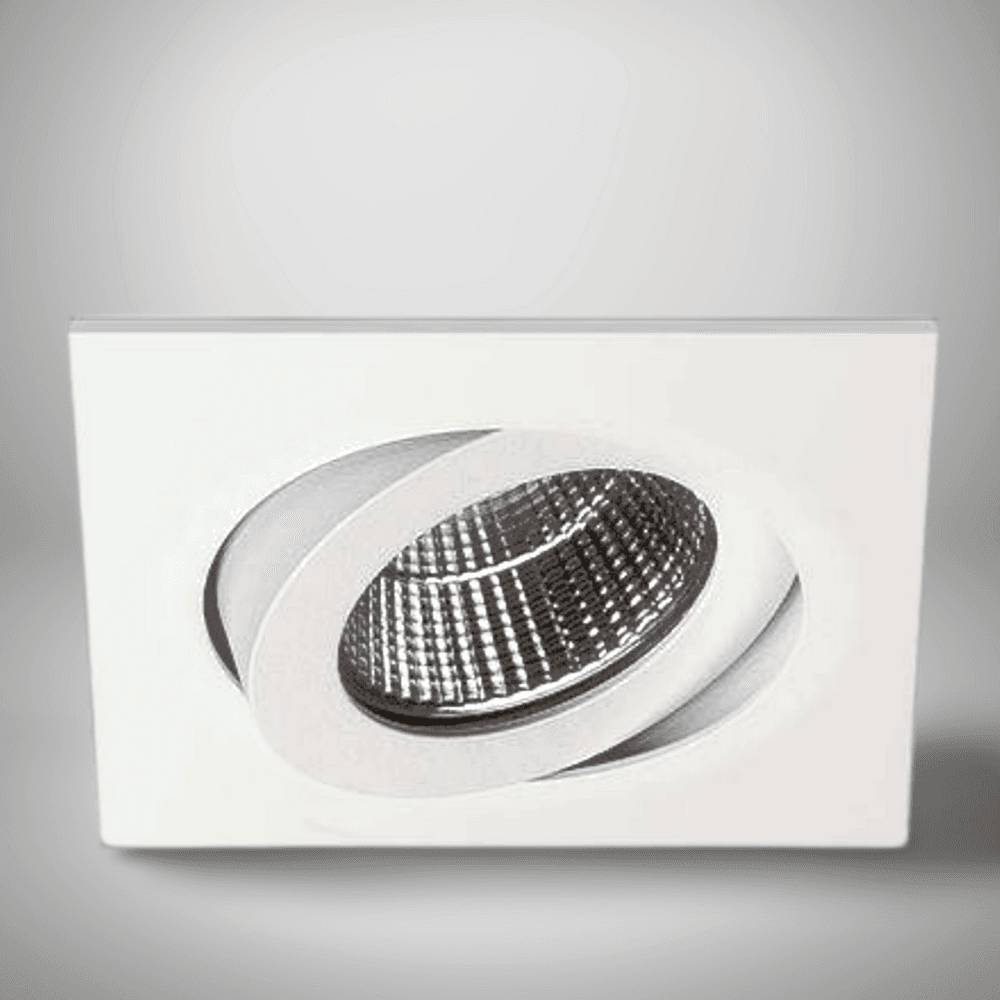
Accent lighting, hotel rooms, restaurant tables, circulation areas and layered commercial interiors often benefit more from control and softness than from headline lumen output.
When do you need 700–1000 lumens?
Most competitors stop at the lumen number. What actually helps specifiers, designers and contractors is understanding when this output range makes commercial sense. These downlights are best used where atmosphere, visual comfort and controlled emphasis are more important than lighting the entire space with a single fitting type.
Feature lighting in hospitality
For bars, restaurants and hotel rooms, lower-output downlights help create a softer visual feel that supports atmosphere without making the space appear flat or over-lit.
Accent lighting for architecture
Artwork, wall texture, alcoves, joinery and focal points often need selective emphasis rather than broad illumination. This is where a controlled low-lumen fitting earns its place.
Low-level ambient lighting
In lounges, corridors and reception-adjacent spaces, lower output can help reduce glare and keep the interior feeling calm, layered and commercially polished.
Supplementary layered lighting
700–1000 lumen downlights work well alongside higher-output fixtures, adding depth and hierarchy instead of forcing one fitting type to do every job.
Residential-style commercial schemes
For commercial interiors that want a softer, more domestic feel, lower-output downlights help bridge the gap between comfort-driven design and specification-grade performance.
Transitional areas
Corridors and secondary spaces often benefit from a less aggressive lighting approach, particularly when continuity and comfort matter more than maximum brightness.
| Use Case | Why 700–1000 Lumens Works |
|---|---|
| Hospitality spaces | Creates softer, more atmospheric lighting for bars, restaurants and hotel interiors. |
| Accent lighting | Highlights features without overpowering surrounding surfaces or focal points. |
| Corridors | Avoids over-lighting and helps reduce the harsher feel that can come from excessive output. |
| Layered lighting schemes | Complements primary lighting and adds depth, zoning and scene-setting flexibility. |
Downlights worth shortlisting for 700–1000 lumen applications
A focused range of low-lumen downlights suitable for 700–1000 lumen applications, with configurable output, beam angles and control options. These products are especially relevant where the scheme needs feature lighting, lower-glare ambience or a softer commercial atmosphere rather than maximum output.
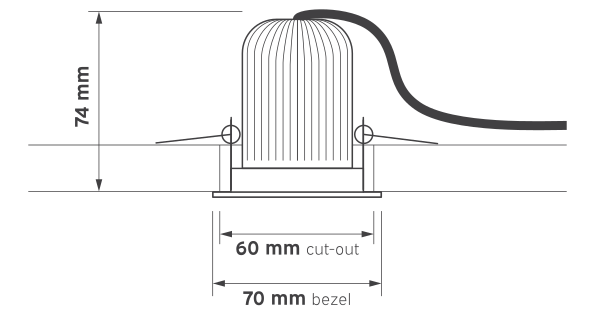
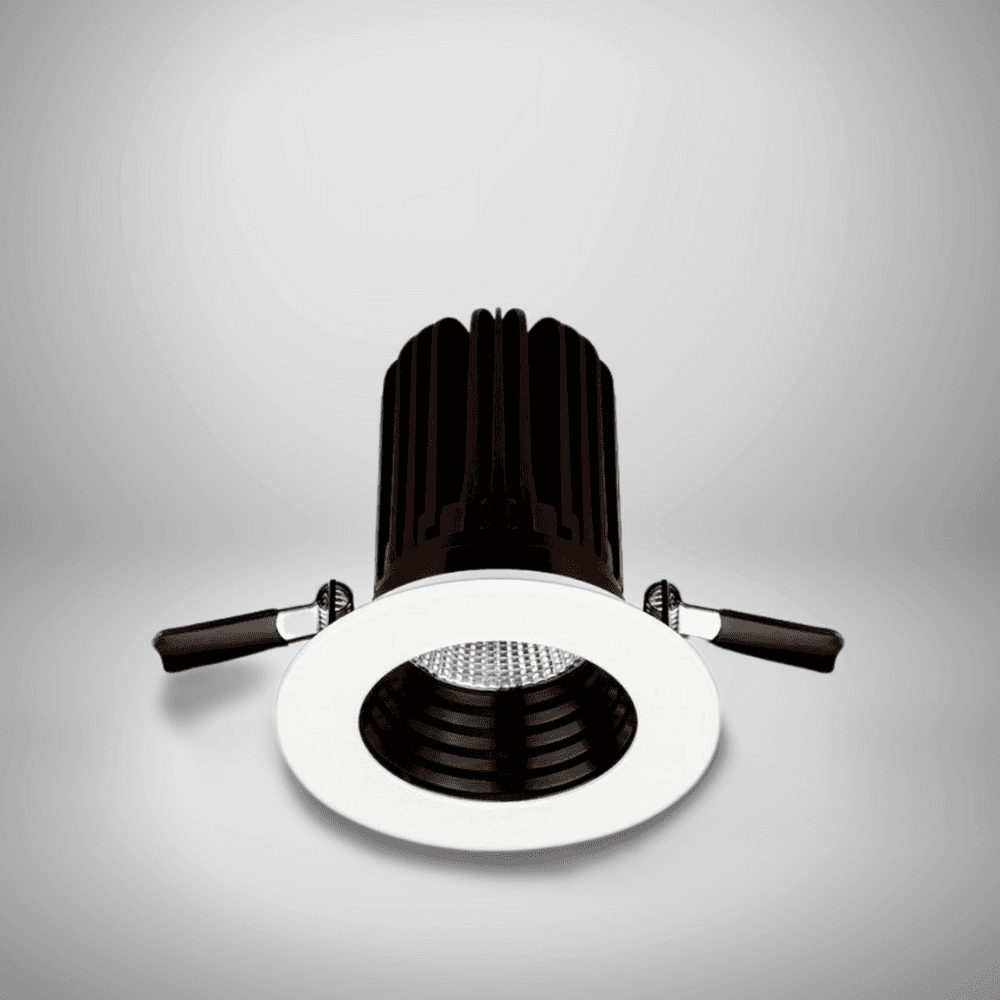
Optix 30
Compact IP54 recessed downlight for controlled illumination in commercial, retail and hospitality settings where a discreet fitting and dependable visual comfort matter.
View Optix 30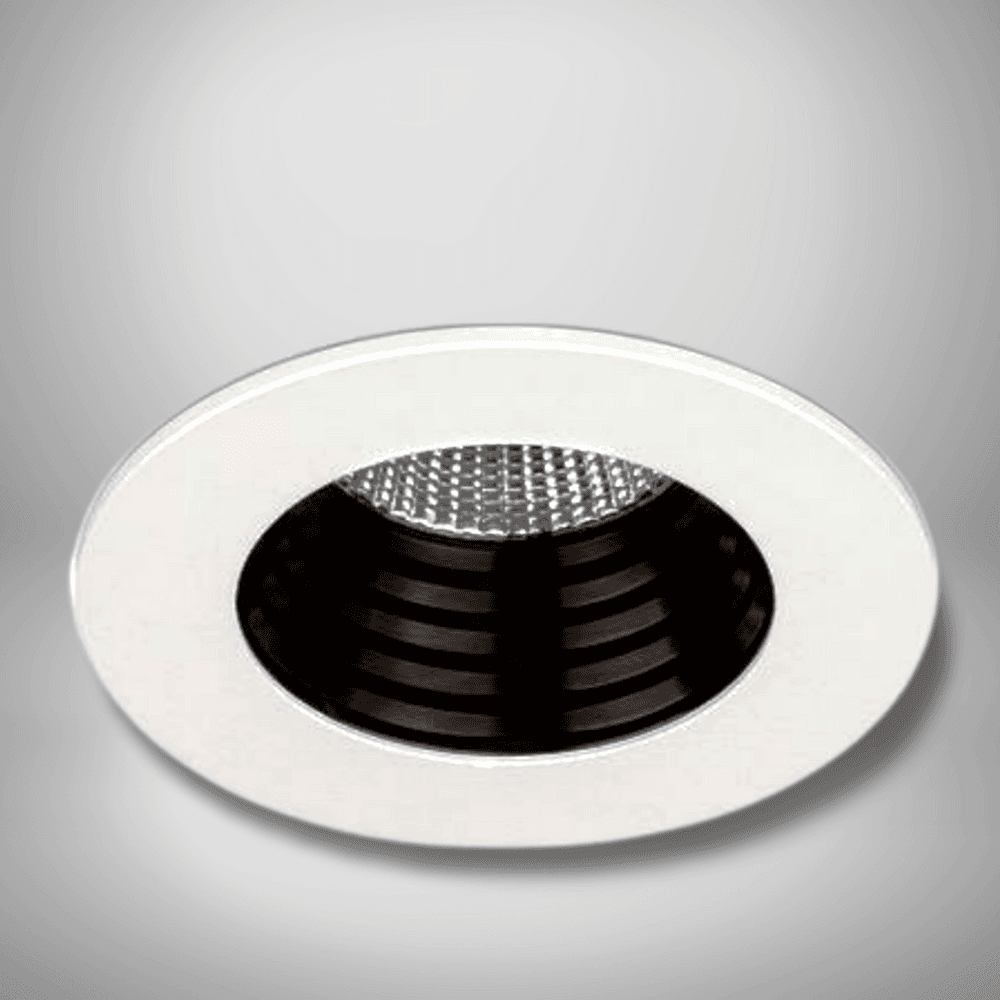
Vortex 31
Architectural recessed downlight with a faceted reflector and low-glare baffle, suited to commercial and hospitality projects that need controlled light from a minimal ceiling detail.
View Vortex 31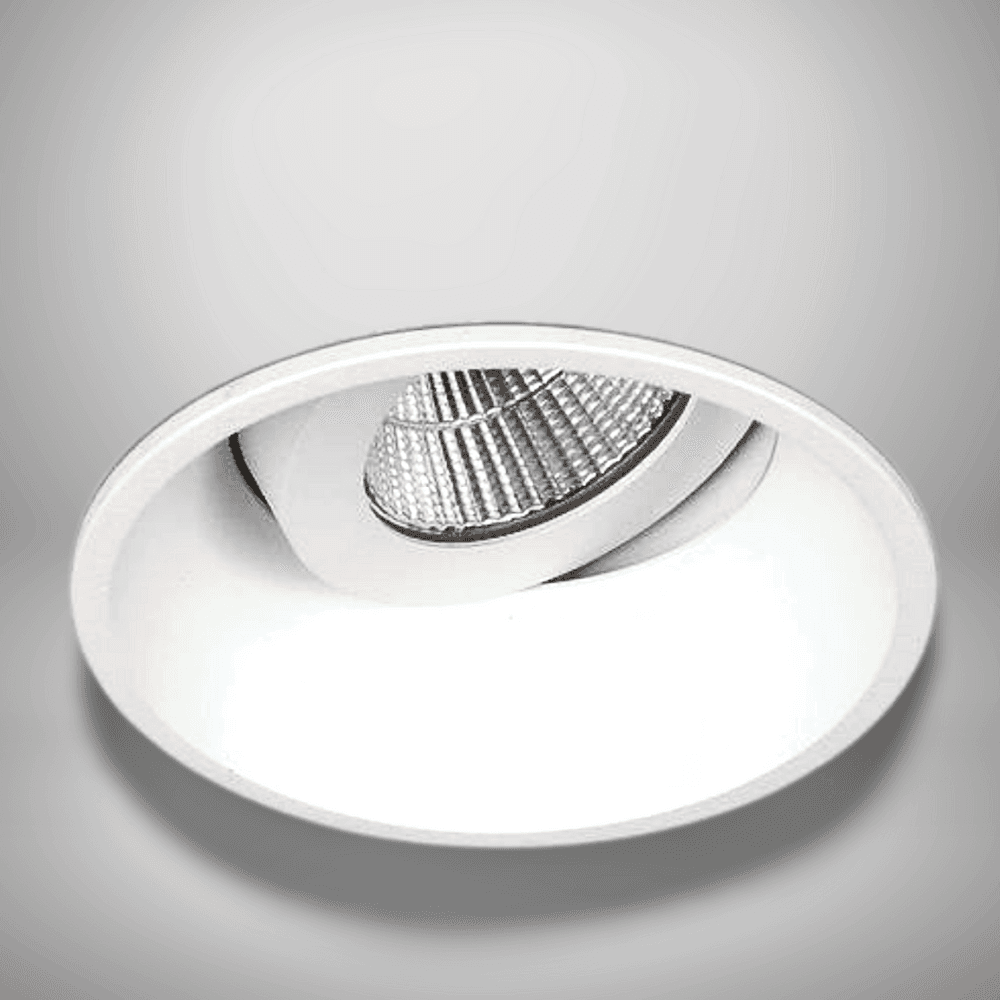
Apex 32
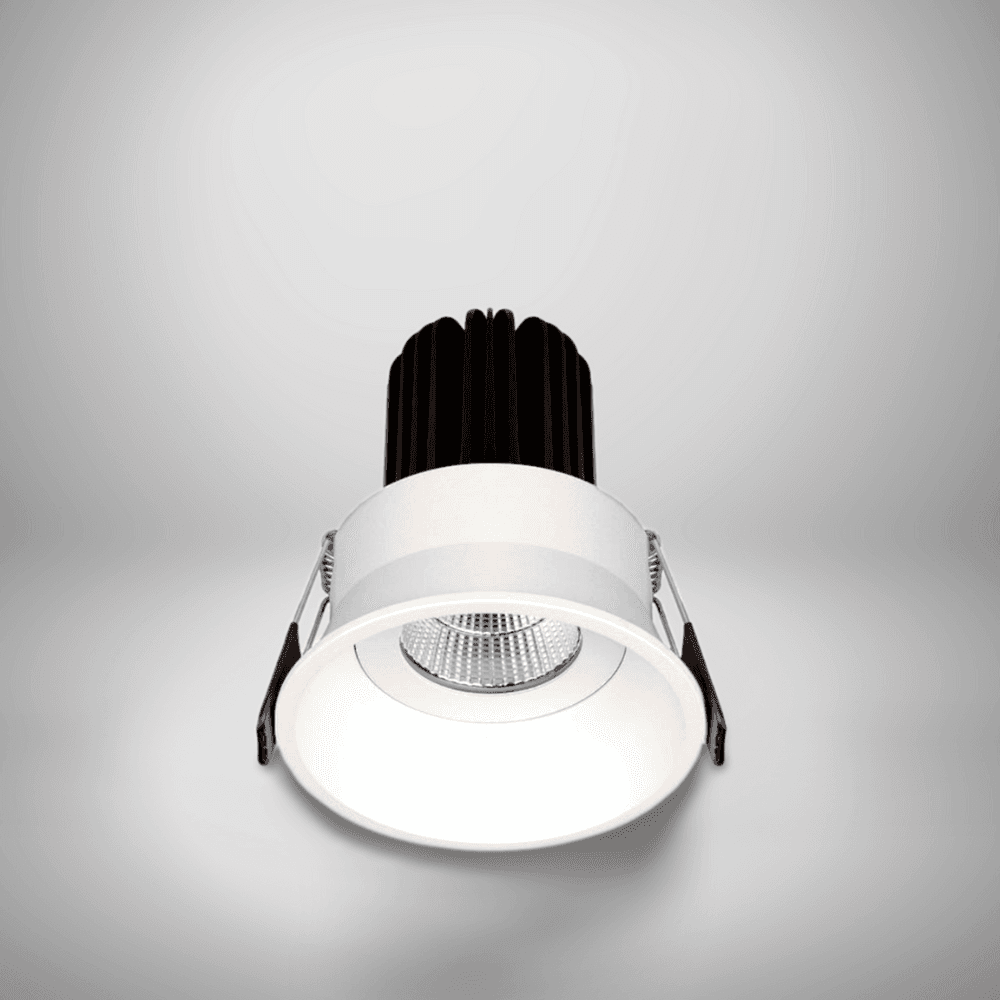
Deep adjustable downlight built for more directional feature lighting where beam control and a more deliberate visual emphasis are needed.
View Apex 32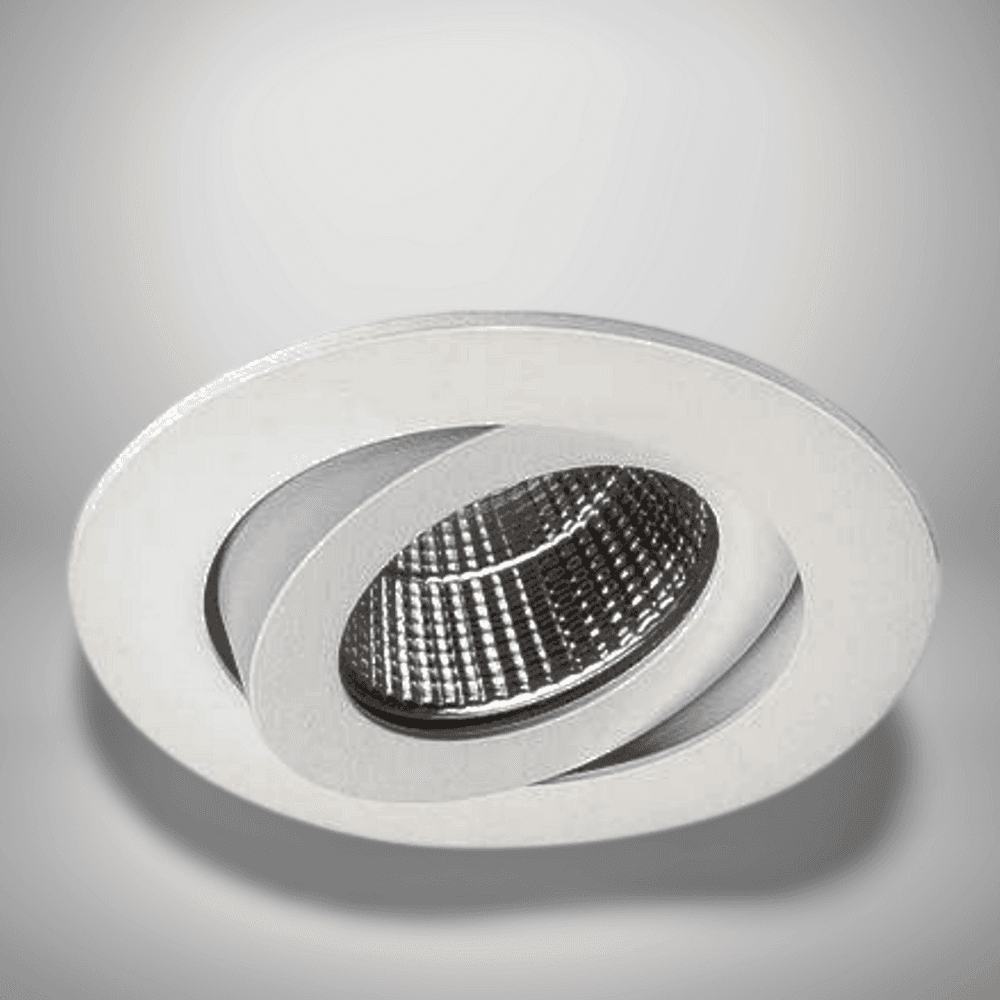
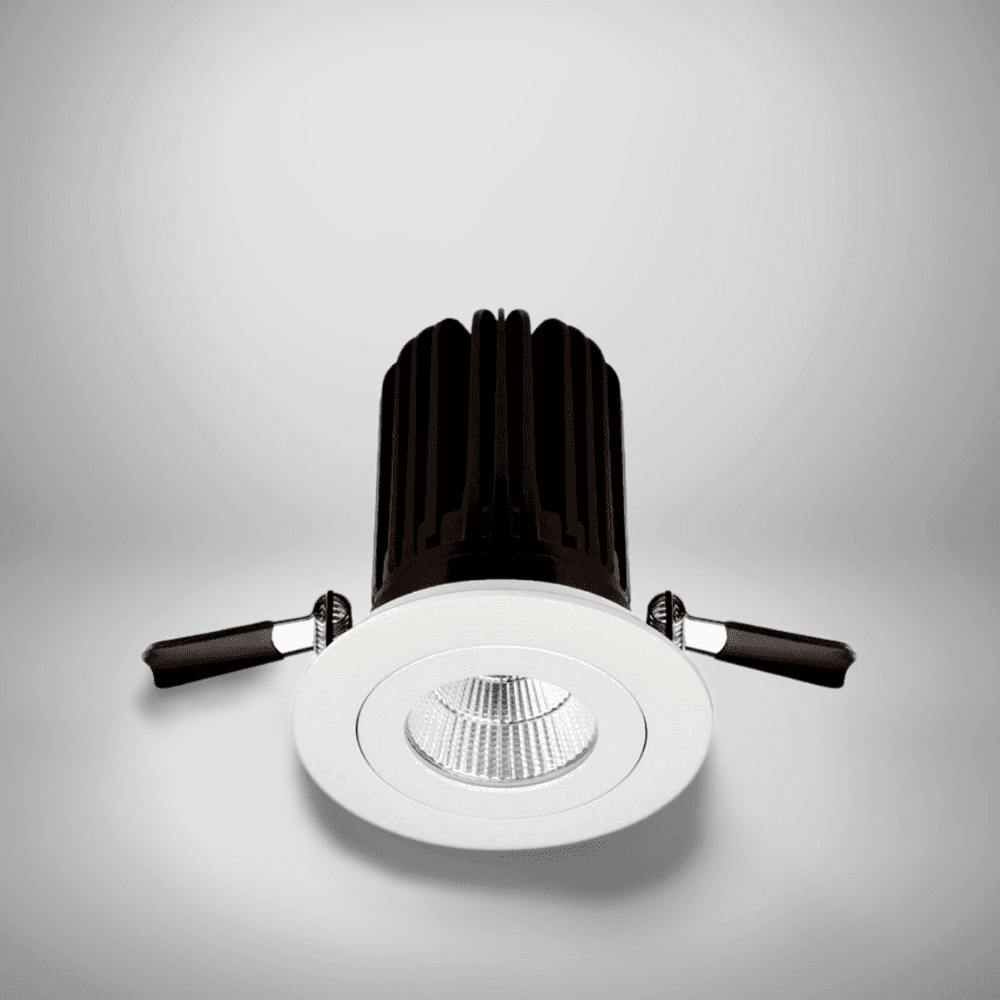
AeroLux 33
Low-profile adjustable downlight with documented 750–775 lumen output, making it one of the clearest fits for this type of requirement across hospitality and feature-led commercial spaces.
View AeroLux 33
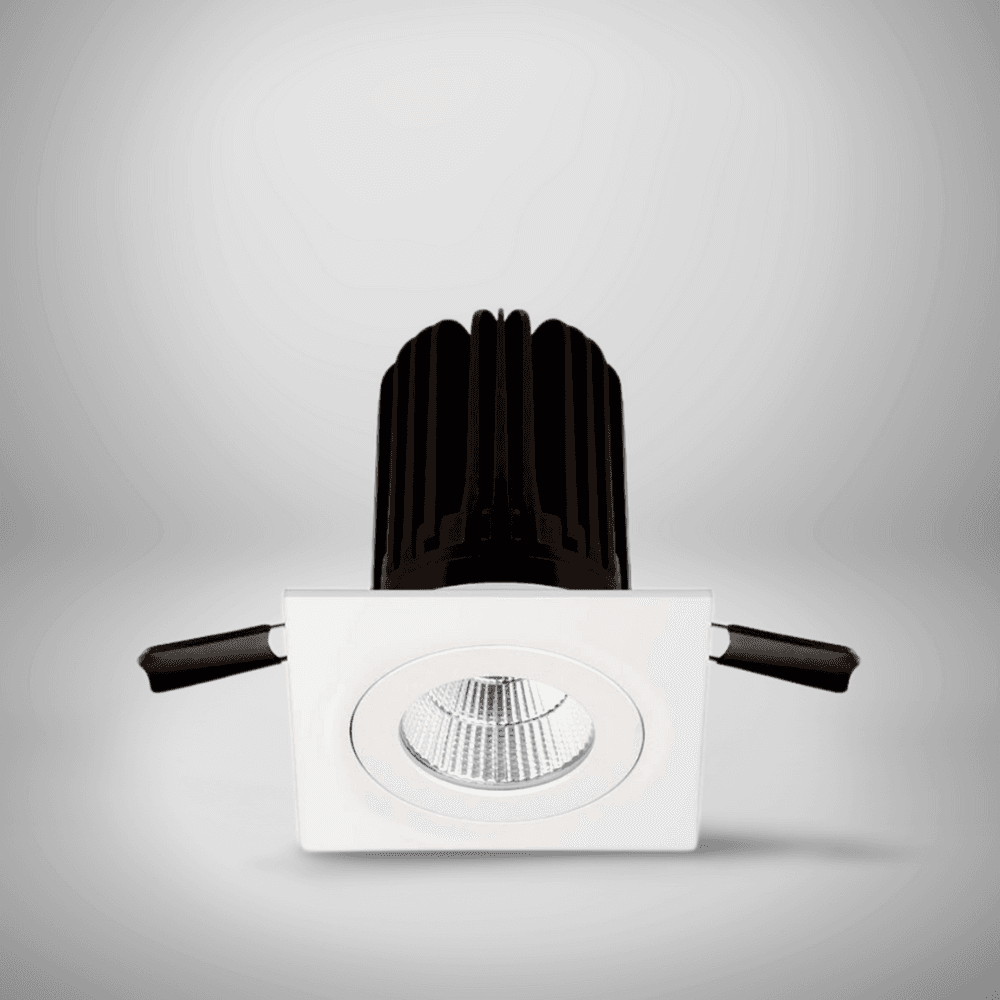
Quadra 34
Minimal square-bezel downlight for projects that want a more architectural ceiling detail while still keeping output softer, tighter and visually controlled.
View Quadra 34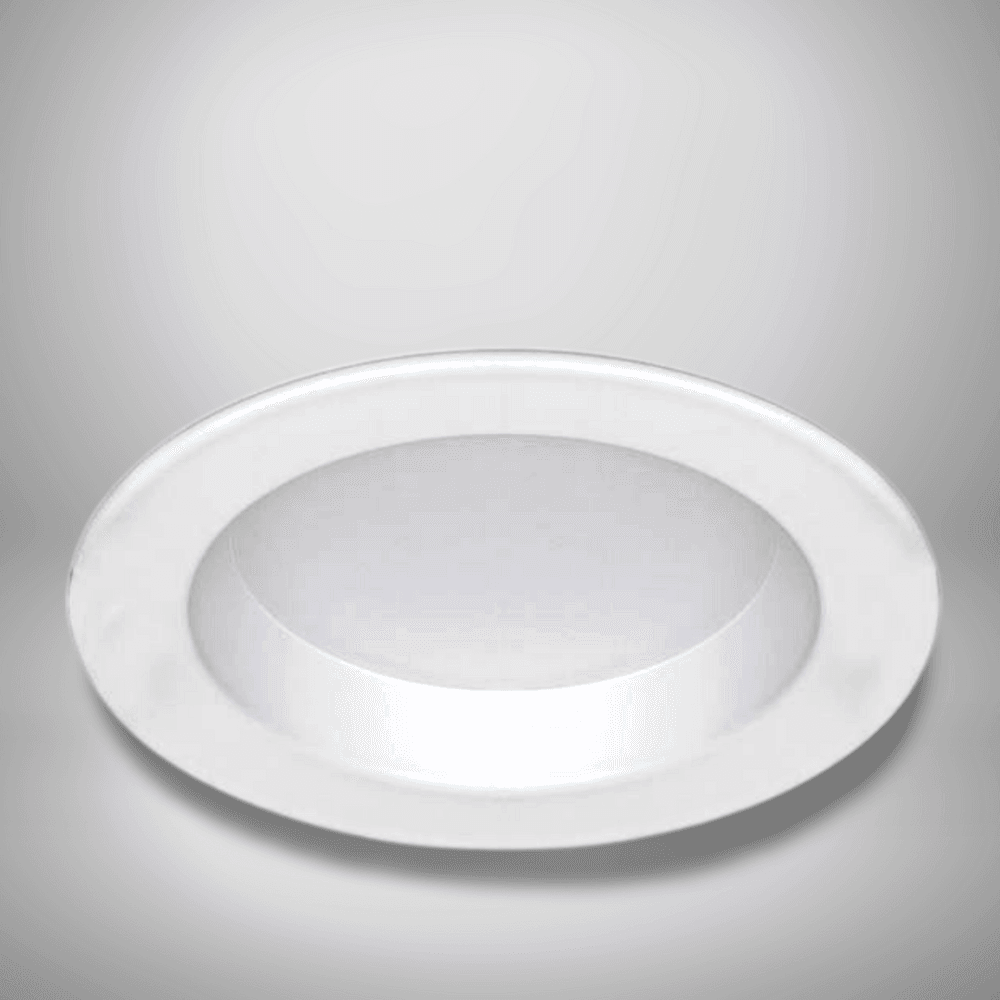
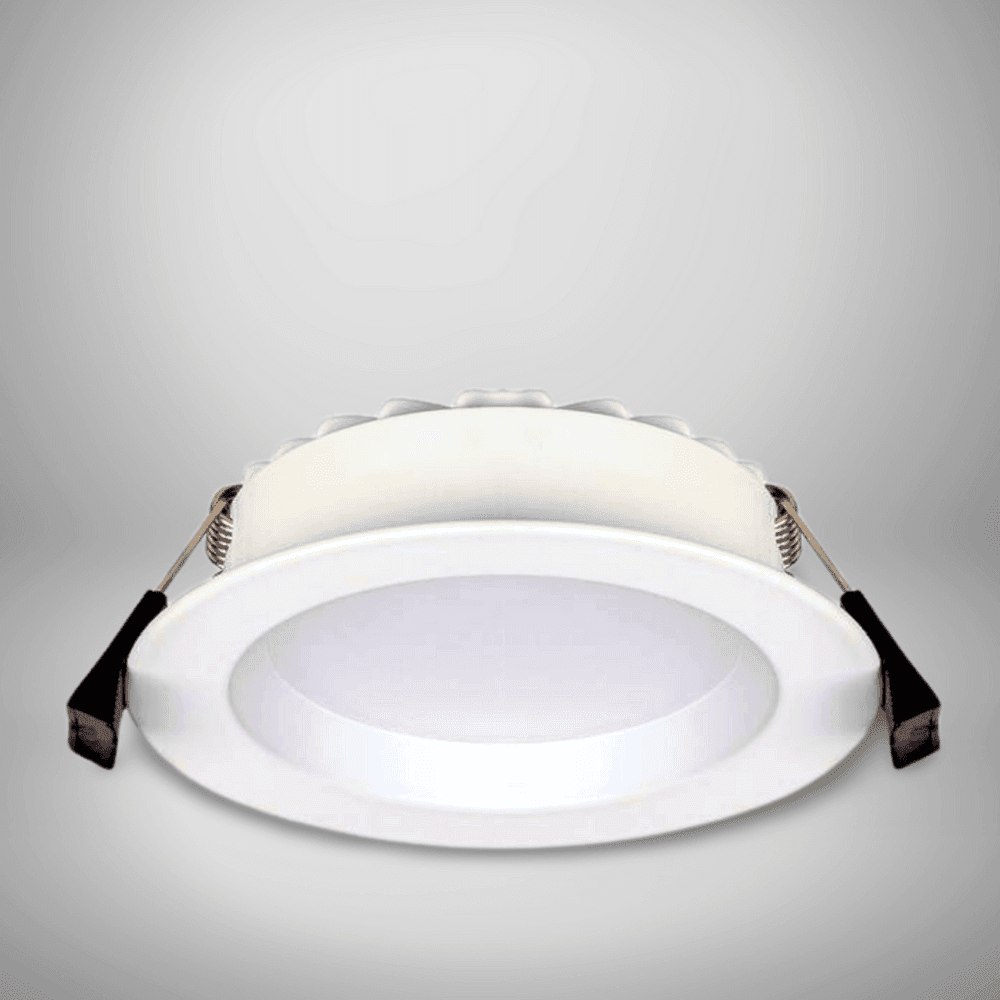
Nova 36
Compact IP54 downlight with switchable colour temperature and controls flexibility, well suited to schemes where ambience may need to shift across different settings or times of day.
View Nova 36Choosing the right low-lumen downlight
The best result comes from matching the fitting to the task. Beam angle, glare control, spacing and controls all shape whether a 700–1000 lumen downlight feels refined and intentional or simply underpowered.
Beam angle
Narrow beams around 15–30° suit accent and feature lighting. Wider distributions are better where you want softer ambient coverage and less dramatic contrast across the space.
Glare control
Lower output does not guarantee visual comfort. Reflector depth, baffle design, optic quality and diffuser performance still matter, especially in hospitality and residential-style commercial interiors.
Spacing
Lower-lumen fittings generally need closer spacing to avoid patchy light. That is particularly important in corridors, breakout areas and layered schemes where consistency still matters.
Controls
DALI, Casambi and dimming compatibility are often essential in hospitality and mood-led spaces where the same fitting needs to support different scenes over the course of the day.
Is 700–1000 lumens the right output?
This lumen range is ideal when the fitting is part of a layered scheme or when the brief is about mood, feature emphasis or softer ambient light. It is usually not the right answer for primary office lighting or for spaces with higher ceilings where more output is needed to maintain target lux levels.
Choose 700–1000 lm when…
You need a controlled downlight for feature lighting, hospitality or supplementary ambient layers rather than broad general illumination.
- Restaurant and hotel lighting
- Architectural accents
- Breakout and lounge-style spaces
- Layered commercial interiors
Move higher when…
The fitting needs to do more of the room-lighting work or the ceiling height starts to demand stronger output from each luminaire.
- Primary office lighting
- Higher ceilings
- Large open-plan spaces
- More functional task lighting
Useful next steps
Before shortlisting products, it helps to sense-check the output requirement against the application and target lighting level.
Why this specification approach works better
Closer fit to the actual application
Rather than forcing one generic downlight into every part of the scheme, this approach recognises that feature areas, hospitality spaces and softer commercial zones need a different type of fitting and a different type of output.
Stronger outcome for specifiers and contractors
Matching downlights to the right lumen band, controls strategy and visual intent reduces compromise later and helps keep the finished installation closer to the original design ambition.
Common questions about 750–1000 lumen downlights
What is a 750 lumen downlight used for?
Usually for accent lighting, hospitality feature lighting or lower-level ambient schemes where the fitting is not expected to provide all of the room’s illumination by itself.
Is 800 lumens enough for a room?
Not normally as the main source of light for an entire room. It is more commonly used as part of a layered scheme or in spaces where softer, more controlled illumination is the goal.
How far apart should low-lumen downlights be spaced?
It depends on beam angle, ceiling height and target lux level, but lower-lumen downlights generally need closer spacing than higher-output options to avoid uneven pools of light.
Are low-lumen downlights suitable for offices?
Yes, but usually for breakout areas, reception details or supplementary ambient layers rather than as the primary task lighting across a full office floorplate.
Need help selecting the right lumen output?
Send us your drawings, room details or performance requirements and we’ll recommend the right downlight configuration for the scheme, whether you need low-lumen feature lighting, layered hospitality lighting or a higher-output alternative.
